
DRC launch
Menu

A category pioneered by Ukama

Could your organization become a Micro‑Operator?

A Micro‑Operator is a local organization that operates a small, commercially sustainable mobile data network for the places it already serves.

Assess your fit

The operating model

Local ownership. Ukama-managed complexity.

THE MICRO-OPERATOR OWNSThe market opportunity, customer relationships, sites, power, backhaul, payments, field operations and local business.
UKAMA OWNSThe Micro‑Operator category, platform, LTE hardware, antennas, RAN, mobile core, network software, SIM backend, data policy, billing, monitoring, updates and remote support.

Qualification dimensions

Fit is the combination—not a job title.

An organization does not need to start with everything. It needs enough control, evidence and operating capacity to close the gaps with Ukama.

01

Sites

Three controllable locations with security, access and useful coverage potential.

02

Power

Reliable grid, solar, battery or hybrid power sized for the network load.

03

Backhaul

Fiber, microwave, satellite or cellular capacity with an operating cost the market can sustain.

04

Demand

Real households, businesses and anchor institutions that need and can pay for service.

05

Local operations

People who can sell, support customers, maintain sites and follow operating procedures.

06

Economics

Enough capital and working runway to launch responsibly and reach a sustainable base.

07

Regulation

A credible path for service authority, spectrum, equipment, SIMs, sites and consumer obligations.

STRONG EARLY FIT

You control at least three sites, can secure power and backhaul, see real demand and have a team accountable for the local business.

NOT READY YET

The opportunity depends on an uncommitted site, unknown demand, permanent subsidy, no operating owner or an unresolved regulatory path.

Explore fit

Six common starting points.

Each profile shows the advantages an organization may already bring to the Micro‑Operator model.

01

Potential Micro‑Operator

Power companies

Turn powered sites and trusted customer relationships into local mobile coverage.
WHAT YOU MAY ALREADY HAVEDistributed powered locationsField maintenance teamsBilling relationshipsInfrastructure operating discipline
02

Potential Micro‑Operator

ISPs & WISPs

Extend an existing internet operation from fixed access into locally managed LTE.
WHAT YOU MAY ALREADY HAVEBackhaul and upstream relationshipsNetwork operations capabilityExisting customersLocal technical teams
03

Potential Micro‑Operator

Community networks

Add managed mobile coverage to local trust, governance and community demand.
WHAT YOU MAY ALREADY HAVECommunity legitimacyKnown demandLocal field supportShared infrastructure
04

Potential Micro‑Operator

Remote enterprises

Use anchor demand from mines, farms, lodges, health clinics or remote campuses to serve the wider area sustainably.
WHAT YOU MAY ALREADY HAVERemote operating sites or health clinicsReliable staff, patient or institutional demandPower, security and logisticsProcurement capacity
05

Potential Micro‑Operator

Local entrepreneurs

Turn a trusted bank, MNO or mobile-money agent footprint into a focused local connectivity business.
WHAT YOU MAY ALREADY HAVEBank, MNO or mobile-money agent relationshipsTrusted cash and customer touchpointsLocal distribution and market knowledgeA committed operating team
06

Potential Micro‑Operator

NGOs & institutions

Convert multi-site programs and institutional demand into durable shared infrastructure.
WHAT YOU MAY ALREADY HAVESchools, clinics or program sitesProcurement capacityCommunity relationshipsService-quality requirements

Path to launch

From local advantage to an operating network.

Each step produces visible evidence, a decision or an operating result—not a generic sales handoff.

01Fit profile

Explore fit

Identify the organization’s existing advantage and the critical gaps.

02Readiness score

Test readiness

Model demand, sites, power, backhaul, regulation and economics.

03Three-site shortlist

Qualify three sites

Bring field evidence and agree the operator–Ukama boundary.

04Launch blueprint

Design the launch

Create the technical, commercial and operating plan.
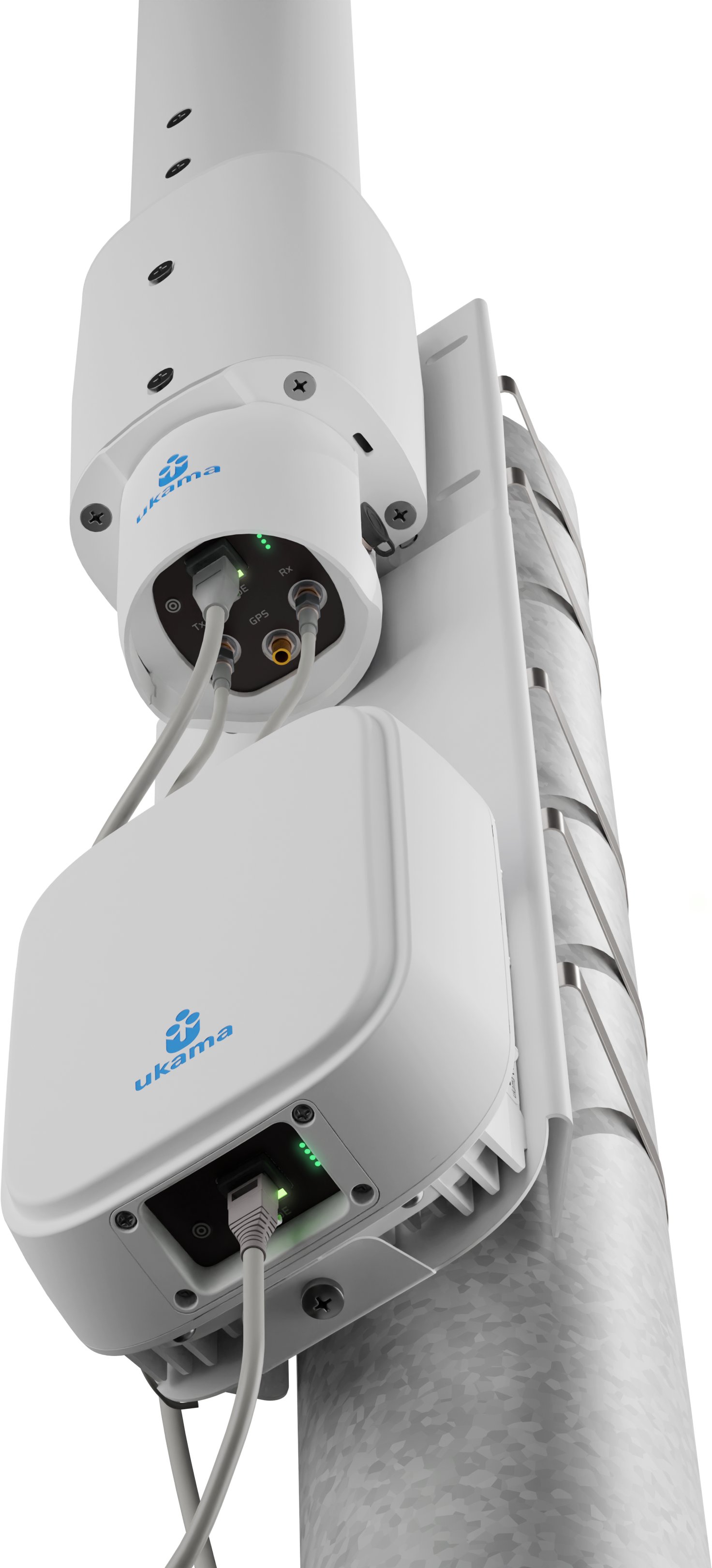
Ukama equipment installed on a communications tower
SITE COMMISSIONED
05Accepted live network

Deploy and commission

Install, verify coverage, activate service and train the team.

06Expansion decision

Operate and grow

Use real performance to improve service and add the next sites.